STUDY
FdSc Nursing Associate (Higher Apprenticeship)

| Institution code: | S82 |
|---|---|
| UCAS code: | N/A |
| Start date: | September and January |
| Duration: | Two years full-time |
| Location: | Ipswich |
| Typical Offer: | Please see entry requirements. |
| Institution code: | S82 |
|---|---|
| UCAS code: | N/A |
| Start date: | September and January |
| Duration: | Two years full-time |
|---|---|
| Location: | Ipswich |
| Typical Offer: | Please see entry requirements. |
Overview
The University of Suffolk has extensive experience in delivering Foundation Degrees, along with several pre-registration programmes, including Nursing Associates, Nursing, Midwifery, Radiography, and Social Work. This experience, coupled with substantial input from employers, has influenced the structure and content of our programme.
A pivotal element is the collaboration between the University and local healthcare providers within the NHS, private, voluntary, and independent sectors. This partnership allows you to learn while employed, combining classroom-based theory with practical experience through work-based learning.
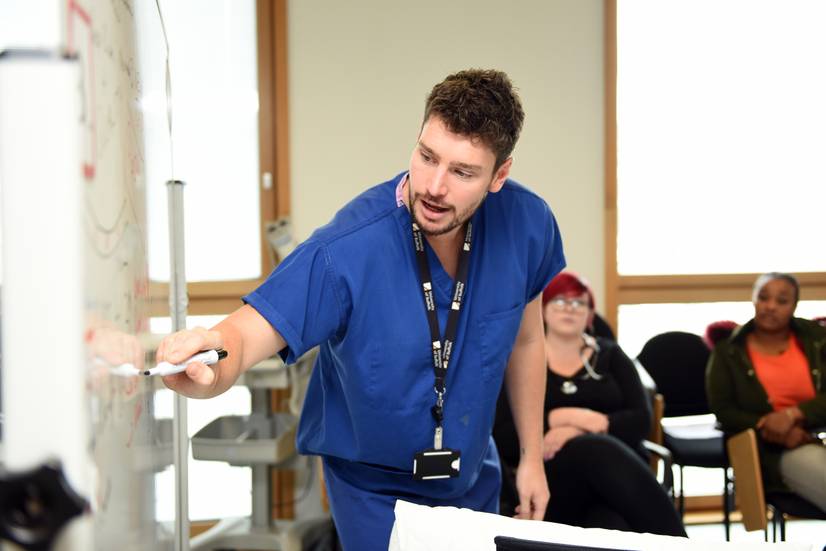
Apprentices enrolled in the FdSc Nursing Associate (Higher Apprenticeship) course at the University enjoy close working relationships with the teaching team and other experts in the field of health and care from our practice partners in the NHS and other local healthcare providers. You will benefit from our academic staff taking the time to know each apprentice individually and provide support throughout your academic journey with us, as well as earn while you learn. Apprentices of the Nursing Associate programme will gain experience across all four fields of nursing – Child, Adult, Mental Health and Learning Disabilities.
For more information about the University's affiliation with the Nursing and Midwifery Council (NMC), please refer to the PSRB Register.
This FdSc Nursing Associate - (Higher Apprenticeship) is offered only to leaners undertaking the course as part of their employment. For more information on how to apply, visit our Apprenticeships page.

WHY SUFFOLK
1st University of the Year
WHATUNI STUDENT CHOICEC AWARDS 20252nd Teaching Satisfaction
GUARDIAN UNIVERSITY GUIDE 20262nd Student Experience
GOOD UNIVERSITY GUIDECourse Modules
Contact Time/Programme Structure
Each module is delivered over a 7-week block, including:
- Five weeks of learning, with activities taking place three days per week through a mix of campus-based teaching, online sessions, and independent study.
- One reading week to review and consolidate learning.
- One assessment week.
Practice learning is delivered through two 6-week placement blocks each year, alongside additional protected learning opportunities in the workplace.
More information about us is available in the Why Suffolk
Downloadable information regarding all University of Suffolk courses, including Key Facts, Course Aims, Course Structure and Assessment, can be found on Definitive Course Records.

This module introduces you to the role of the Nursing Associate and the skills needed to provide safe, person-centred care. It focuses on understanding professional practice, communicating effectively, applying knowledge of the human body, and reflecting on personal learning and development. Through the module, you will explore how your practice is guided by professional standards and develop the knowledge, skills, and confidence to contribute to patient care and work effectively within healthcare teams. The module provides a foundation for ongoing learning and professional growth for Nursing Associates.
This module aims to provide an in-depth understanding of children and young people's health, combining theory and applied practice. You will explore the physical, cognitive, emotional, and social developmental stages from conception to adolescence, and examine the pathophysiological changes associated with common physical and mental health conditions. The module will develop the ability to recognise vulnerability and safeguard children effectively, while considering the influence of family and multidisciplinary care on well-being. Through this integrated approach, you will be equipped to provide safe, compassionate, and evidence-based care to children and young people.
This module aims to equip you with an understanding of the pathophysiological changes that occur throughout adulthood and how these impact health needs and common conditions. It prepares you to deliver safe, person-centred, evidence-based care that promotes independence, dignity, and informed choices. You will also learn to recognise signs of vulnerability, neglect, or abuse and take appropriate safeguarding actions in the adult context. Additionally, the module explores the nursing associate role within multidisciplinary teams, highlighting its contribution to holistic adult care.
This module is designed to support you in developing the core professional values, behaviours, and attitudes expected of a nursing associate, in line with the NMC (2018) Code. You will be guided to apply your foundational knowledge and demonstrate selected proficiencies outlined in the Practice Assessment Documentation Part 1 under supervision, ensuring that the care they provide is safe, evidence-based, and person-centred. The module emphasises reflective practice, encouraging you to critically evaluate your learning experiences, identify areas for improvement, and respond constructively to feedback. This reflective process not only enhances skill development but also builds confidence and fosters professional growth, preparing apprentices to deliver high-quality care across a range of clinical settings.
This module develops the knowledge, skills, and professional behaviours required for Nursing Associates to provide safe, compassionate, and person-centred care when supporting individuals experiencing deteriorating health, including palliative and end-of-life contexts, across the lifespan. You will explore the physical, psychological, social, cultural, and spiritual needs of individuals and their families as health declines. The module emphasises recognising deterioration and frailty, assessing and managing symptoms within the Nursing Associate scope of practice, escalating concerns appropriately, and working collaboratively within the multidisciplinary team. You will develop confidence in supporting individual preferences, promoting dignity, maintaining comfort, and upholding legal, ethical, and professional responsibilities. The module also focuses on effective and compassionate communication, supporting the emotional well-being of individuals, families, and carers, and demonstrating professional values in relation to grief, bereavement, and care following death.
This module equips Nursing Associates with the knowledge and skills to promote health and wellbeing through holistic, person-centred care. You will explore health promotion principles, addressing health inequalities and improving outcomes for individuals, families, and communities. You will analyse local, national, and global determinants of health, understanding their impact on diverse populations and tailoring equitable interventions. The module emphasises effective communication and behaviour change strategies to empower people across the lifespan. Critical reflection on the Nursing Associate’s role in health promotion will help you identify opportunities to advocate for individuals and communities within the wider public health context. You will be able to integrate theory and practice to deliver care that is evidence-based, person-centred, and responsive to the social, cultural, and environmental factors affecting health.
This module is designed to develop your knowledge, skills, and professional judgement within the Nursing Associate role, with a focus on delivering safe, effective, and high-quality care. It provides you with the opportunity to evaluate care delivery, understand the principles of change management, and explore leadership, delegation, and supervision within your scope of practice. Through critical engagement and reflection on your professional development, you are supported in identifying how your learning can contribute to service improvement, innovation, and quality enhancement. This module therefore bridges theory and practice, preparing you to make meaningful contributions to patient care and organisational improvement as competent, reflective, and proactive Nursing Associates.
This module consolidates and advances final-year Nursing Associate apprentices’ ability to confidently demonstrate the professional values, knowledge, and core proficiencies required by the NMC (2018) Standards of Proficiency for Nursing Associates. You practice with increasing independence and minimal supervision, critically applying the four themes of the NMC (2018) Code, prioritising people, practising effectively, preserving safety, and promoting professionalism and trust, within the realities of contemporary health and social care environments. With a strong emphasis on leadership, accountability, and autonomy, the module supports you in managing increasing levels of clinical responsibility, making safe, evidence-based decisions, and contributing effectively within multidisciplinary teams. Structured reflection, feedback, and critical self-evaluation underpin the ongoing development of professional judgement, ethical practice, and person-centred care. By preparing you thoroughly, this module supports a confident transition to registered practice while promoting resilience, professional integrity, and a lifelong commitment to learning and professional growth.

Entry Requirements

Career Opportunities
Upon graduation of the FdA Health and Wellbeing (Nursing Associate) FdSc Nursing Associate course, apprentices are eligible to register with the Nursing and Midwifery Council (NMC) as a Registered Nursing Associate.
Graduates may also be eligible to apply for different degree pathways, such as the
- Adult Nursing Degree Apprenticeship
- Mental Health Nursing Degree Apprenticeship
- BSc Nursing programmes
As a highly sought-after healthcare professional, graduation offers a wealth of career opportunities within the health and social care sectors in England.
Our Careers, Employability and Enterprise Team are here to support you, not only whilst you complete your studies, but after you graduate and beyond.
To find out more about our range of services and support, please visit our Careers, Employability and Enterprise page.
Your Course Team
Tracy Button
Practice Education Facilitator and Associate Lecturer in Health Apprenticeships at the University of Suffolk.

Alison Howard
Alison is Lecturer in Health Apprenticeships and is a Registered Nurse and a Specialist Community Public Health Nurse .

Star Sibanda
Star is a Lecturer in Health Apprenticeships and a qualified General Nurse.

Abbi Davies
Abbi is a Lecturer in Health Apprenticeships. She is a registered nurse and before moving into education, worked as a Senior Community Nurse in Colchester.
a.davies7@uos.ac.uk

Facilities and Resources
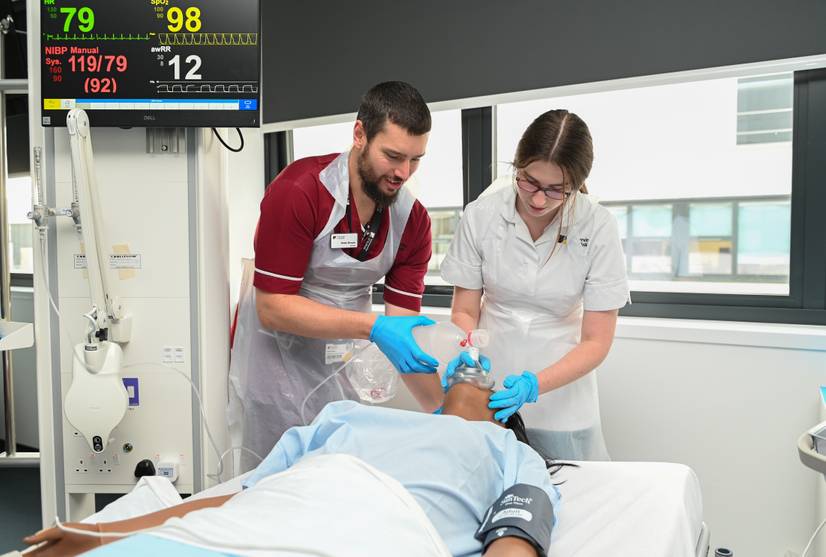
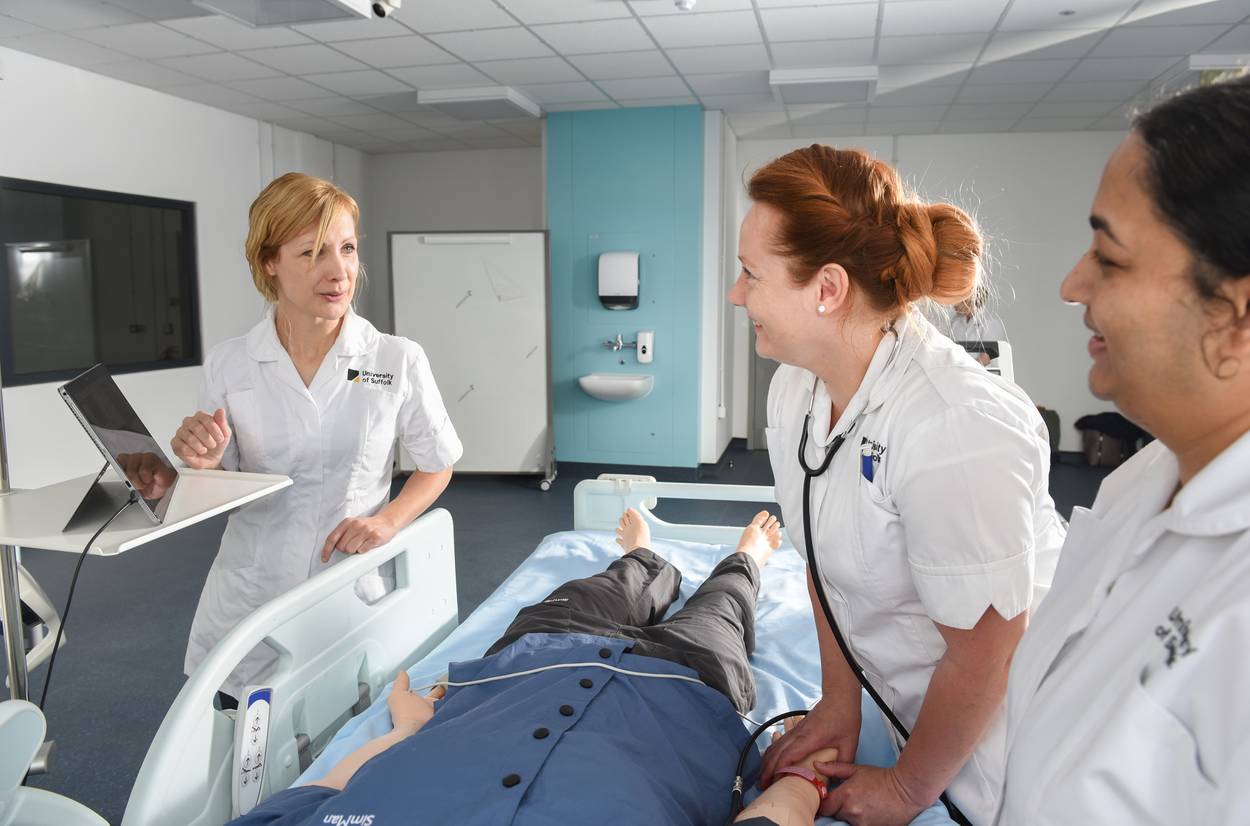
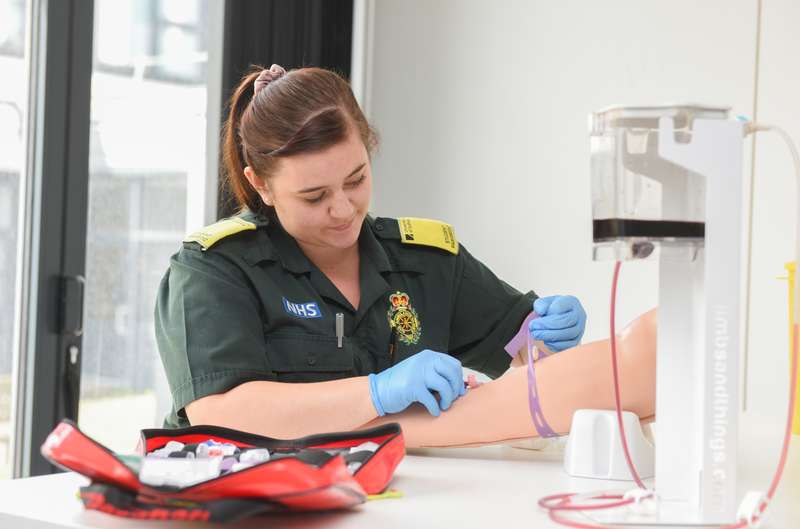
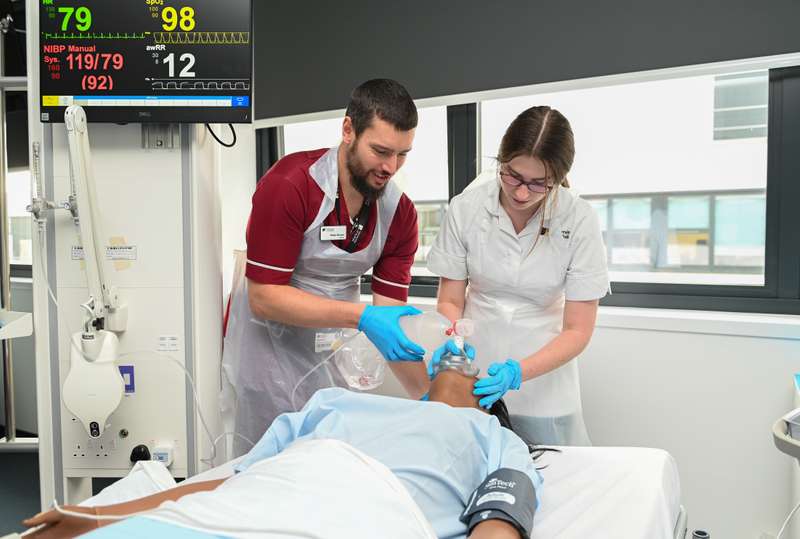
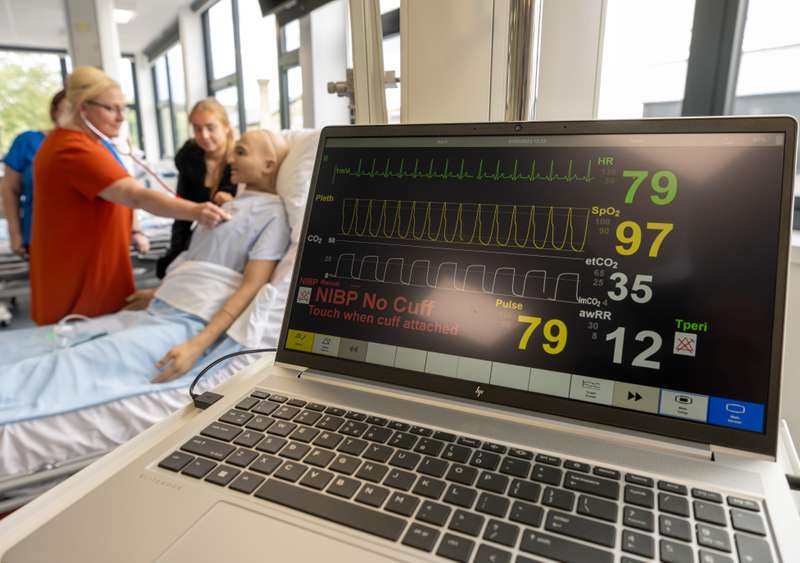
The Health and Wellbeing building provides students with a variety of state-of-the-art clinical simulation facilities, including two simulated hospital wards, a midwifery birthing unit, physiotherapy teaching spaces, a sports and exercise facility and a working radiography imaging suite. The building also hosts the Institute of Health and Wellbeing Research and the Integrated Care Academy.


Related Courses

This course will enable you to develop the knowledge, attitude, and skills necessary to register as an Adult Nurse.

Mental Health Nursing students are encouraged to develop skills in independent learning, critical analysis, leadership, management, and decision-making.

This Nursing Degree Apprenticeship will equip you with the knowledge, skills, and behaviours necessary for registration as a Mental Health Nurse.

The program's purpose is to facilitate your development in order to meet the requirements for registration as an Adult Nurse with the Nursing and Midwifery Council (NMC).
Related News


NEXT STEPS
Now you know more about the course, we can guide you through the next steps.